Translate to your language by selecting from the box~:
The City of London
“This is not all of London. This is the City of London—the historic square mile where Roman walls once stood, where finance moves the world, and where quiet courtyards hide between glass towers.”
“Where You Are”
Bordered by: Barbican, Tower Hill, St. Paul’s
Known as: “The Square Mile”
Population: small residential, massive daytime workforce
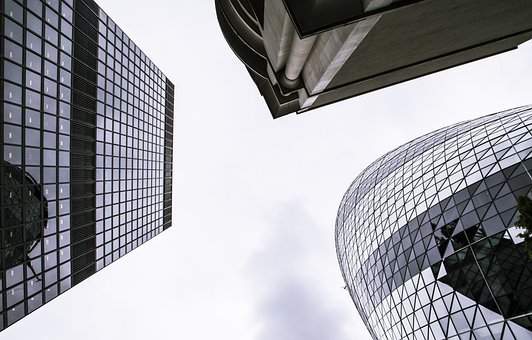
In the heart of London, The City is an adventure in architecture with some very modern skyscrapers among structures several centuries old.
The City of London is the “square mile” on the north bank of the Thames where Romans first built a walled community 2000 years ago.
This is the business heart of London, with more than 300,000 arriving for work each day, many in the banking and insurance industries.
🗝️ Beneath Your Feet
Roman London (Londinium) ruins still exist below streets
Street patterns follow ancient paths
Some alleys haven’t changed in centuries
Go right at Seething Lane, then go to the left to continue up London Street. Cross Fenchurch Street, and walk up Billiter Street. Many iconic buildings will be found in the area.
Turn left on Fenchurch Avenue, to view another building from Lord Foster building. The Willis Building. Standing 410 feet high, this 28-storey office building remains one of the tallest in the city.
Look ahead at the Lloyd’s Building 3. Designed by Richard Rogers this building is sometimes referred to as the “Inside-Out building” with its external pipes and ducts made of stainless steel. A section of the facade of the 1925 Lloyd’s building can be seen on Leadenhall Street.
There has been a market here since Roman times. In 1445 it became an official food market.
You will find a change in scenery with the 19th-century design of glass and wrought iron. Harry Potter fans may recognize the storefront in Bulls Head Passagewhere Hagrid takes Harry shopping for school supplies.
The Lamb Tavern, in the heart of the market, represents how business was done in Sir Thomas Gresham’s Royal Exchange era in 1567. Professional people mill about, meet friends and colleagues, shake hands on deals, and continue in business.
The pub dates back to 1780, with the current structure to 1881.
If you are ready for a snack or beverage you will enjoy a variety of options. There are often events celebrating local culture.
Leave the market, turn left on Gracechurch Street, cross over, and into Bell Inn Yard. Take a right at St. Michael’s Alley where you will encounter One of London’s first coffee houses, which originated in 1652. The Jamaica Wine House currently serves food and beverages.
Continue walking straight, turn left on Cornhill. To your right is The Royal Exchange. It has long been a trading center, it was the original stock exchange, back in the day when stock referred to goods that would be loaded on and off of boats in the Thames. Traders eventually gathered here to trade slips of paper and “futures”. The traders required money changers, who needed bankers, growing the financial district. Currently, trade continues through a variety of luxury goods.
As you approach the Royal Exchange is the Cornhill Water Pump. The inscription on the pump reads:
The well was discovered much enlarged and this pump erected in the year 1799 by the contributions of the Bank of England, the East India Company, the neighbouring Fire Offices together with the bankers and traders of the Ward of Cornhill.
To the left of the Royal Exchange is the Bank of England. The two-story complex sits upon a full city block and houses the country’s national bank where interest rates are set, money is minted, and stacks of gold bars are stored.
The complex houses a museum where you can discover more about England’s financial history.
Continue to the Bank Tube station and the end of today’s tour.
The Origins of London’s Financial District – The Bank of England was founded in 1694 and ‘The Old Lady ofThreadneedle Street’ was opened in 1735, but the story goes back much further than that.
“The City of London reminds us that time doesn’t disappear—it layers. Glass rises beside stone, footsteps echo over centuries, and even in the rush, there are quiet places waiting to be noticed.”
Celebrate!
Kew Royal Botanic Gardens – Easily accessible from the Kew Gardens tube station, this World Heritage Site offers a full day of discovery.
St. James London – Join me on an arts and culture tour featuring art galleries and fine men’s fashion.
St. Paul’s Cathedral – St. Paul’s remains to be one of London’s most beloved landmarks.
Skyscraper Month – We are celebrating architectural phenomena all through Skyscraper Month, observed every year in June.
“Would you want to visit the City during its weekday rush—or its quiet weekend stillness? Tell us which version of the Square Mile you’d explore.”
🌟 Support the Go Cybernaut Constellation
Go Cybernaut is a soft place for curiosity, music, discovery, and storytelling. Every article, playlist, and celebration is created to help people feel a little less alone and a little more inspired.
If something here brightened your day, you can help keep the constellation shining:
As an Amazon Associate, I earn from
purchases for the
products I profile or promote.
Any income I earn comes from the
relationship with Amazon and
other affiliates. I appreciate any
purchases made as it supports my
efforts to provide content.
If you would like to buy me a coffee or make a small donation to help with operating costs, this would be lovely!