Translate to your language by selecting from the box~:
Beauty, Ritual, and Hidden Wonder
There are places that ask you to hurry, and then there is Kyoto.
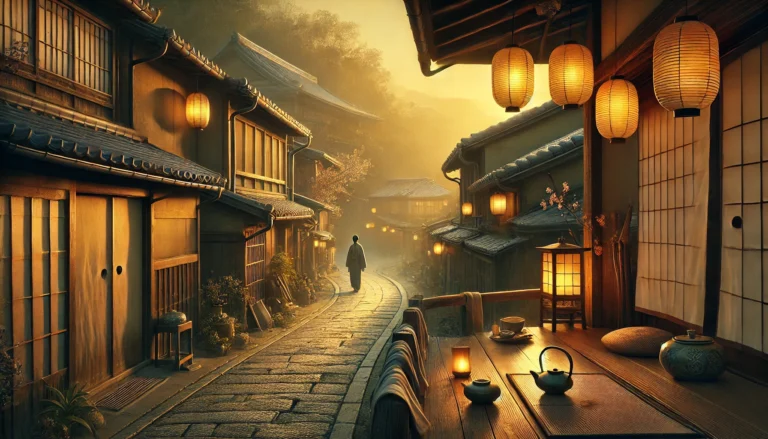
Kyoto does not rush to introduce itself. It arrives like incense through an open doorway, like the soft clink of ceramics in a quiet café, like lantern light catching rain on stone. For Poppy Sawayama, Kyoto is not simply a destination. It is a moodboard made real, a city where delicacy and depth walk side by side, where ancient ritual and modern style do not compete but converse.
For travelers drawn to atmosphere, detail, and those deliciously unforgettable places that feel half-lived and half-dreamed, Kyoto belongs high on the bucket list. This is a city of temple paths and tucked-away alleys, of market stalls and matcha sweets, of riverside evenings and hidden districts that reward curiosity. Kyoto’s official tourism guide also points travelers beyond the most crowded highlights toward lesser-known outer areas such as Fushimi, Ohara, Takao, Yamashina, Nishikyo, and Keihoku, each offering a distinct local character and a quieter kind of magic.
Kyoto feels like the kind of place that understands styling as a form of respect.
Not flashy. Not forced. Just beautifully intentional. A silk sleeve brushing a wooden doorway. A tray set just so. Steam rising from tea like part of the choreography. I imagine arriving early, before the streets fully wake, and letting the city reveal itself in textures first: stone, paper, bamboo, lacquer, moss. Then the flavors. Then the hush. Then the tiny lovely details that make you stop walking just to look again.
Kyoto is for anyone who believes beauty can steady the heart. It is for people who travel not only to see famous places, but to feel changed by them.
Kyoto was Japan’s capital for more than a thousand years, and its city center still reflects a historic grid inspired by ancient Chinese city planning. Today, the city blends that deep history with living culture through markets, cafés, shrines, gardens, crafts, and neighborhood life. Official Kyoto tourism resources highlight major areas ranging from bustling central districts to quieter outskirts, making it possible to build a trip that balances icons with hidden gems.
What makes Kyoto bucket-list worthy is not only its beauty, though there is plenty of that. It is the layered experience of the city:
wandering through historic lanes in Gion and Kiyomizu
tasting Kyoto’s market culture in Nishiki
exploring café history in long-loved kissaten
discovering quieter outer districts beyond the usual circuit
mornings and evenings when the city softens into something private
Kyoto can be iconic, yes. But it can also be intimate.
“Take your time here. Kyoto isn’t meant to be checked off—it’s meant to be felt.”
Bucket List Experiences in Kyoto
Wander Gion and Kiyomizu at an unhurried pace
Kyoto’s Gion and Kiyomizu area offers exactly the kind of visual poetry many travelers dream about: traditional streets, teahouses, restaurants, bars, and small shops tucked into one of the city’s most atmospheric districts. It is best experienced slowly, with time to notice doorways, fabrics, shadows, and the way light changes against wood and stone.
Taste your way through Nishiki Market
Central Kyoto is home to Nishiki Market, one of the city’s best-known food destinations, where local flavors and culinary traditions come alive in a compact, lively setting. Pair it with the surrounding Shijo area for a day that blends snacking, shopping, and people-watching.
Seek out Kyoto’s café culture
Kyoto’s café scene has roots as elegant as the city itself. François Kissashitsu, founded in 1934, is one of Kyoto’s most iconic traditional cafés and was the first café in Japan designated a Registered Tangible Cultural Property by the national government. That alone makes a café stop in Kyoto feel less like a coffee break and more like stepping into cultural memory with dessert.
Visit Fushimi for more than the famous gates
Fushimi is widely known for Fushimi Inari Taisha and its red torii gates, but the area is also known for shopping streets and sake breweries, giving it a richer, more layered appeal for travelers who want spirituality, local flavor, and atmosphere all in one outing.
Explore Kyoto’s quieter outer districts
Kyoto’s official “Hidden Gems” initiative highlights six less-crowded districts on the outskirts: Fushimi, Ohara, Takao, Yamashina, Nishikyo, and Keihoku. These areas are designed for travelers who want a more spacious, local-feeling side of Kyoto without losing the beauty and cultural depth the city is famous for.
Make room for craft, ceramics, and handmade beauty
Yamashina, for example, is known not only for mountain scenery and temples but also for Kiyomizu-yaki ceramics, Kyoto folding fans, and other handicrafts, making it especially appealing for travelers drawn to artistry and objects with story in them.
Kyoto Food Culture: What Makes It So Special
Kyoto food culture is not only about what you eat. It is about how care is expressed.
This is a city where presentation matters, seasonality matters, and quiet refinement matters. Market snacks, traditional sweets, tea, tofu dishes, café desserts, and carefully prepared regional specialties all become part of the travel experience. Kyoto’s tourism resources place food and drink at the center of discovering the city, and central districts like Nishiki Market remain one of the best gateways into that culinary identity.
sip matcha in a setting that feels ceremonial
try market bites that connect you to local rhythm
pause for custard pudding in a historic café
wander into side streets where dinner feels like a secret you found
Kyoto does not just feed you. It teaches you how atmosphere changes taste.
Kyoto’s official tourism campaign includes Ohara among its highlighted hidden districts beyond the city center, and that alone makes it worth circling in gold pen.
Why Ohara? Because it sounds like exhale-space. The kind of place you go when you want your Kyoto experience to become gentler, greener, and more inward. After the visual thrill of the city’s famous areas, a quieter district like Ohara offers a different luxury: room to notice. Room to breathe. Room to feel as though Kyoto has let you in on something softer.
Kyoto is one of those rare destinations that gives you more than photographs.
It gives you atmosphere. It gives you ritual. It gives you the feeling that beauty, when handled with care, can become a form of nourishment. Whether you come for temples, markets, hidden neighborhoods, café culture, or simply the longing to be somewhere that feels both timeless and alive, Kyoto rewards the traveler who is willing to slow down enough to really receive it. Official travel guides encourage visitors to look beyond the headline sights and discover the city’s broader districts and quieter rhythms, and that may be where Kyoto becomes unforgettable.
Kyoto does not shout. It glows.
And sometimes the places that glow the softest stay with us the longest.
More to Explore
Japanese National Tourism Organization – Surrounded by rich natural beauty, Kyoto is a city with a unique repertoire of compelling culture that has been refined over the past 1,200 years.
UNESCO – As the centre of Japanese culture for more than 1,000 years, Kyoto illustrates the development of Japanese wooden architecture, particularly religious architecture, and the art of Japanese gardens, which has influenced landscape gardening the world over.
Wikipedia – Kyoto, according to the Internet encyclopedia.
Discover More
Hinamatsuri – The doll festival is observed in Japan on March 3 to celebrate female children and pray for their continued health and happiness.
National Anime Day – The reason for celebrating National Anime Day as an annual event on April 15 is that anime has grown in popularity over the past few decades.
Sailor Moon Day – Sailor Moon Day, celebrated on August 6 every year, celebrates one of the most popular manga and anime series.
Obon Festival – Obon Festival is an annual Japanese ritual observed from the 13th to the 15th of the seventh lunar month.
Poppy Sawayama writes with a suitcase heart and a filmmaker’s eye. Born in Tokyo and based between hostels, hillside trains, and hidden cafés, she captures the soul of Asia through stories that linger like postcards from a dream.
Poppy blends cultural reverence with Gen Z playfulness, and she’s known to describe temples as “glowing with quiet thunder.”
She once spent a month following cherry blossoms northward from Kyushu to Hokkaido. She still swears she can hear spring.
A Perfect Kyoto Day, Poppy Style
Start early with a quiet walk before the city fully hums.
Spend the morning in one of Kyoto’s historic districts, letting beauty set the tempo. Midday belongs to market wandering and little tastes in Central Kyoto. In the afternoon, disappear into a café with heritage and order something lovely enough to feel cinematic. By late day, head toward a quieter area or river walk, then end with dinner in a tucked-away restaurant where the lighting is low, the ceramics are exquisite, and every course feels like an act of intention.
That is the dream of Kyoto. Not conquest. Curation.
Inspired by the 2026 Travel 365 Desk Calendar from Papp Publishing.
🌟 Support the Go Cybernaut Constellation
Go Cybernaut is a soft place for curiosity, music, discovery, and storytelling. Every article, playlist, and celebration is created to help people feel a little less alone and a little more inspired.
If something here brightened your day, you can help keep the constellation shining:
As an Amazon Associate, I earn from
purchases for the
products I profile or promote.
Any income I earn comes from the
relationship with Amazon and
other affiliates. I appreciate any
purchases made as it supports my
efforts to provide content.
If you would like to buy me a coffee or make a small donation to help with operating costs, this would be lovely!